It’s the Feet, Stupid
From Mike Tyson’s lost “spring” to crushed toes in hockey skates — how neglecting the foot-ankle complex is silently sabotaging performance and stacking injuries in Calgary’s young athletes.
The Most Dangerous Footwork in Boxing
Over the holidays, life slowed down in the best way. I spent evenings on the couch with my 3-year-old daughter Aurelia, introducing her to boxing. She’s obsessed with watching fights — my wife started it by showing her Anthony Joshua highlights. AJ quickly became both their favourite.
Then one afternoon, after skating on our backyard rink, I queued up prime Mike Tyson for her — the early destroyer era. Kid Dynamite at his absolute peak.
After watching those, Aurelia thought every other fight was in slow motion. “Daddy, is this in slow motion?” she’d ask about AJ or anyone else. No, sweetie. That’s just how terrifyingly fast prime Tyson was.
But it wasn’t only his hands. It was his feet. That explosive, springy bounce — like coiled springs in his ankles and calves — set him apart from every heavyweight who ever lived.
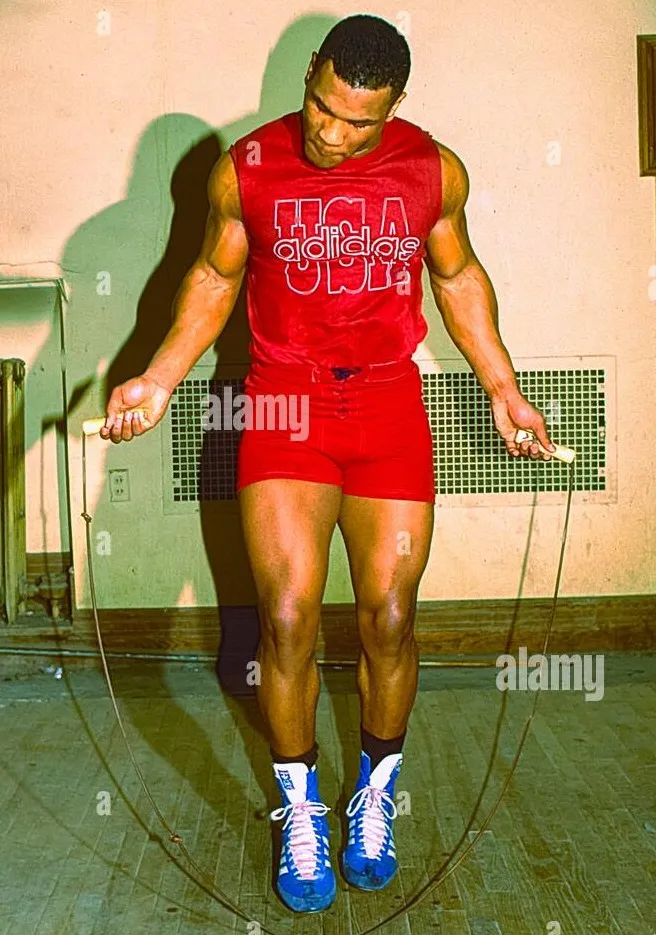
Later, I showed her fights from Tyson’s mid-20s, post-title loss. The body looked identical — ripped, menacing — but the spring was gone. He wasn’t that much older. What changed?
Under Cus D’Amato and Kevin Rooney, Tyson skipped rope endlessly to build elastic lower-leg resilience and lightning foot response. When that discipline eroded, so did the bounce.
It got me thinking: if the shock absorbers in your feet and ankles weaken or stiffen, how much extra energy does your body waste? And worse — what happens when impact forces aren’t absorbed properly and ripple unchecked up the chain?
Your Feet Are the Shocks and Springs
Think of the foot-ankle complex like a car’s suspension system — shocks, springs, struts, and control arms working in harmony.
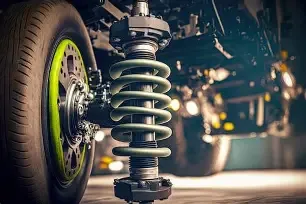
In human movement, the feet and ankles are the only interface with the ground. During sprints, cuts, jumps, or landings, they handle ground reaction forces routinely 3–8 times body weight. The arches, subtalar joint, Achilles-calf complex, and intrinsic foot muscles act as natural springs and dampers.
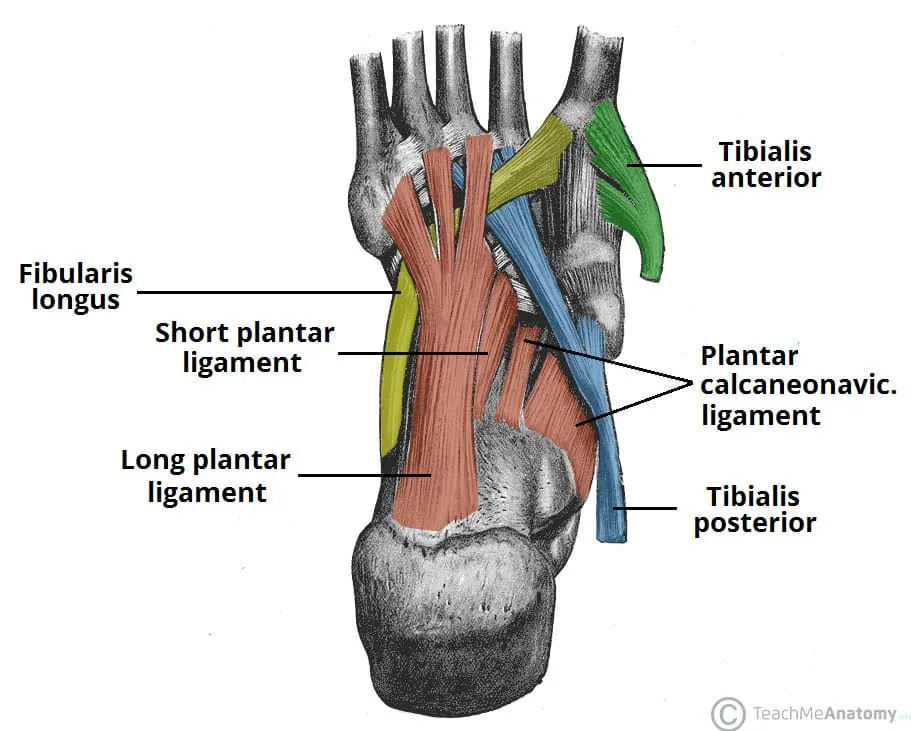
When ankles lack dorsiflexion or feet can’t splay and pronate compliantly, absorption fails. Forces slam upward in oblique vectors — overloading knees with valgus collapse, hips with compensatory tightness and poor rotation, and the low back with shear stress.
The Hockey Boot Trap
This is where it hits home for Calgary parents.
I’m at Jungle Athletics watching a AAA girls hockey team train and recover. Roughly half the group shows obvious poor ankle mobility — heels popping early in squats, knees caving inward, restricted dorsiflexion. Nearly all have tight hips with abysmal internal and external rotation. One girl approaches chronically stiff: low back pain, knee issues persisting all season.
And it hit me like a ton of bricks: It’s the feet, stupid.

Hockey players live in rigid, compressive boots from a young age. I saw it firsthand over Christmas at the outdoor rink with my son — he quits early because his feet freeze. I try on his skate. Size 7.5. I can’t even force my foot in. My own skate? Size 10. Our feet are the exact same length.
He shrugs: “The shop scanned it and custom-fitted it perfectly.” Perfectly? That boot molds the foot into a crushed, immobile brick — toes jammed, arches unsupported, no room to splay or move.
Flattened arches. Stiff ankles. Upstream compensation: tight hip flexors, limited femoral rotation, anterior tilt. Then we ask these athletes to load heavy in the weight room or explode on the ice — on feet with zero compliance or spring. It’s just rigid pounding. Bam-bam-bam. Oblique stresses accumulate until real power arrives… and boom — injury.
The Chain Reaction Nobody Sees
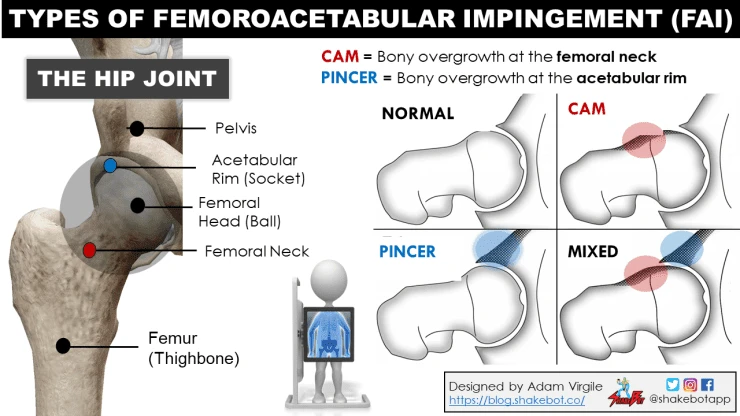
We’ve long said the knee is a “slave” to the hip. But in skating sports especially, maybe the hip and knee are truly slaves to the ankle and foot.
It starts at the boot. The rigid shell crushes foot compliance — arches flatten, toes can’t splay, the intrinsic muscles that should be firing with every stride go dormant. From there, the ankle loses dorsiflexion. It can’t bend properly anymore, so heels pop early and force absorption fails.
Now the knees have to pick up the slack. They start collapsing inward — valgus, tracking problems, that anterior knee pain every hockey parent knows but can’t explain. The hips respond by locking up: tight flexors, poor rotation in every direction, compensatory tightness that no amount of stretching seems to fix.
And the low back absorbs the bill for all of it. Shear stress. Chronic pain. The kind of “management” that never actually resolves because everyone’s been looking upstream when the answer was downstream the whole time.
“We’ve been managing injuries upstream for years. The answer was downstream the whole time. It’s the feet.”
— Greg Almon, Jungle Athletics CalgaryRebuilding the Spring
At Jungle, we’re rebuilding the spring from the ground up. That means barefoot and minimal-shoe warm-ups to wake up the intrinsic muscles that rigid boots have put to sleep. It means short-foot doming, toe yoga, arch activation — the foundational strength work inside the foot that most programs don’t even know exists. Progressive ankle mobility to restore the dorsiflexion that years of skating boots have stolen. And elastic drills — rope skipping, pogo hops, ankle response work — to recapture that Tyson-like bounce in the lower leg.
We’re screening it, programming it, and making it non-negotiable for every hockey and ringette athlete who walks through the door.
Early results with teams are promising — better deceleration, fewer “mystery” pains, more explosive first steps.
The Question Every Hockey Parent Should Ask
Next time you lace up those “perfect fit” skates, ask yourself: are they helping, or quietly sabotaging? And look down — your athlete’s shock absorbers might need attention before anything else.
Development System Explained
If this article is your first introduction to Jungle Athletics, the foot-ankle work is one piece of a larger training system. Before booking, most parents find it useful to understand how the methodology, the injury prevention layer, and the Battery Model all connect.
How Are Your Athlete’s
Shock Absorbers?
Book your athlete’s Free Athlete Analysis. 60 minutes. Our coaches will screen ankle mobility, foot compliance, and the entire chain — then show you exactly where forces are leaking and injuries are building.
Book Your Free Athlete Analysis134 71 Ave SE · Calgary, AB T2H 0L9
★★★★★ 228+ Five-Star Google Reviews
Leave a Reply